
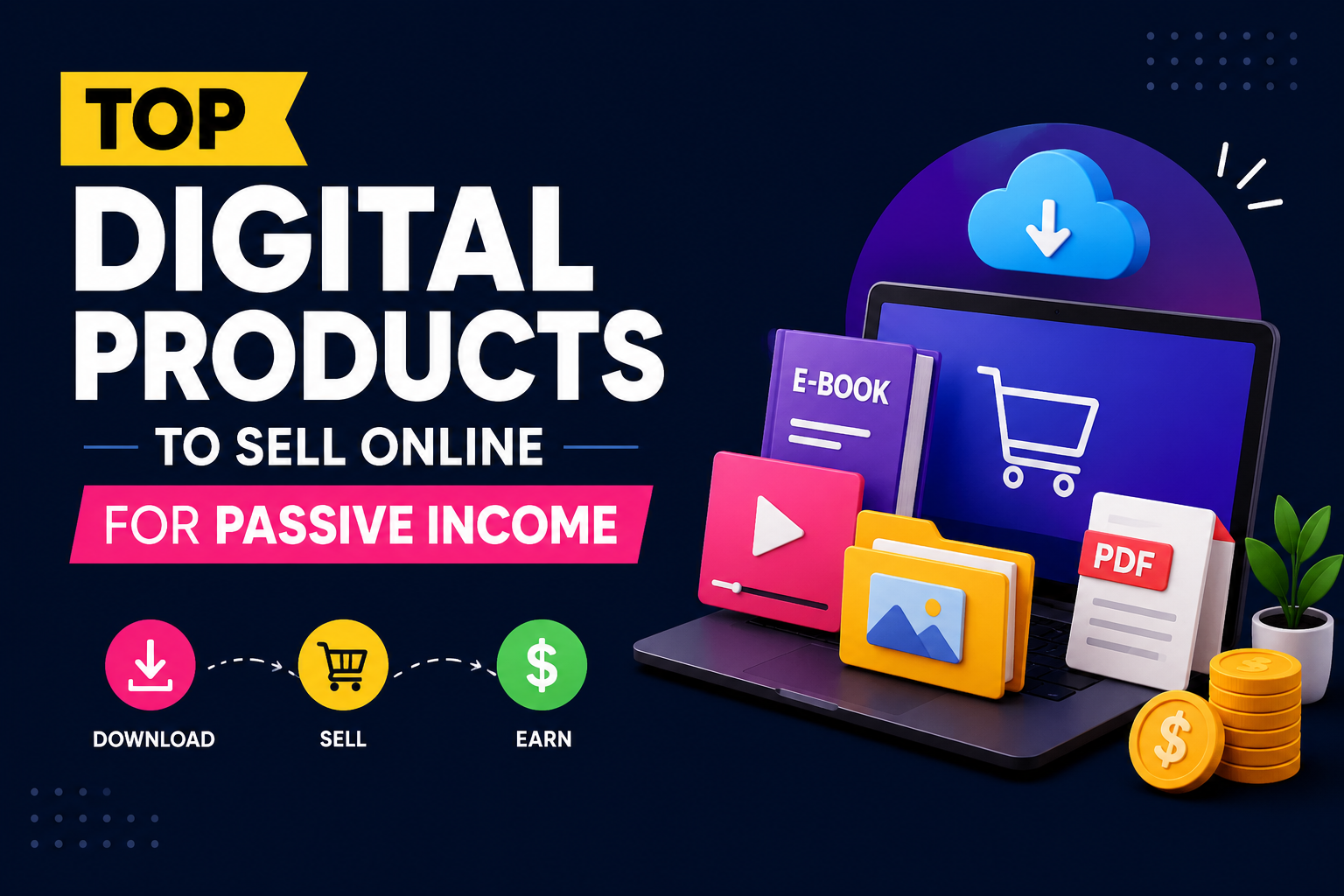
Imagine waking up, grabbing your morning coffee, opening your laptop, and seeing that you made $450 while you were asleep. No packages to wrap, no shipping labels to print, and absolutely no angry customers tracking a lost box. Just pure, automated revenue hitting your bank account.
This isn’t a pipe dream or late-night infomercial fluff. This is the reality of selling digital products.
The global digital goods market is projected to skyrocket to $157.39 billion, according to data from Mordor Intelligence. Consumer behavior has fundamentally shifted: nearly seven out of ten internet users now regularly pay for premium digital content and assets.
If you are still trading your hours directly for dollars, you are leaving money on the table. Physical ecommerce stores struggle with rising shipping fees and supply chain bottlenecks, while digital products offer a staggering 70% to 90% profit margin. Once you build the asset, your cost to replicate and sell it to an infinite number of buyers is virtually zero.
Whether you are a blogger, a creator, a freelancer, or someone looking to monetize a specific skill, this definitive guide breaks down the absolute best digital products to sell online for passive income, complete with real-world examples, platform recommendations, and a step-by-step launch strategy.
Why Sell Digital Products for Passive Income?
Before diving into what to sell, let’s understand the mechanics of why digital goods are the ultimate wealth-building asset class.
- Unmatched Scalability: When you sell a physical t-shirt, you must buy another wholesale blank to fulfill the next order. When you sell an ebook or a budget template, you upload the file once, and a digital delivery system copies it a million times for a million buyers.
- Negligible Overhead: You don’t need a warehouse, inventory management software, or third-party logistics. Your digital storefront costs a fraction of the operating expenses required for a brick-and-mortar or dropshipping operation.
- Global Footprint: A shopper in London can purchase your PDF at 3:00 AM while you sleep soundly in Chicago. There are zero borders or international shipping customs to worry about.
- Automated Fulfillment: Modern platforms instantly email the download link to your customer the second their payment clears, turning customer onboarding into a completely hands-off experience.
Top Digital Products to Sell Online for Passive Income
The most successful creators don’t build generic products. They build hyper-specific digital solutions that solve immediate pain points for their target audience. Let’s look at the highest-yielding digital categories dominating the web today.
1. Notion Templates and Digital Productivity Dashboards
Organized, systems-thinking creators are building massive income streams by designing productivity workflows. The market for Notion templates, Airtable bases, and digital planners has exploded over the last few years. Professionals, students, and freelancers are constantly searching for structured ways to organize their chaotic lives.
Real-World Case Study: Solopreneur Thomas Frank famously built a multi-million dollar business selling his “Ultimate Brain” Notion template, demonstrating the explosive financial ceiling of simple productivity assets.
- Niche Ideas: Real estate CRM trackers, fitness and meal prep builders, social media content calendars, or minimal daily habit trackers.
- Average Pricing: $10 to $97
- Best Platforms to Sell: Gumroad, Notion Marketplace, Etsy
2. High-Value Online Courses and Cohort Assets
The global e-learning market is on track to cross $400 billion, driven by a massive surge in people seeking continuous skill development outside traditional classrooms. While comprehensive video courses require a significant upfront time investment to plan, script, and record, they command premium pricing tiers.
[Skill Mastery] ➔ [Structured Video Modules] ➔ [Premium Direct Monetization]
To optimize your course for Google’s featured snippets and maximum conversions, focus on ultra-specific transformations. Instead of selling a broad course like “How to Use Photoshop,” sell a hyper-targeted course like “Photoshop for Real Estate Photographers: Editing Luxury Interiors.”
- Niche Ideas: AI prompt engineering for marketers, short-form video editing workflows, personal finance frameworks for Gen Z, or no-code development basics.
- Average Pricing: $99 to $999+
- Best Platforms to Sell: Teachable, Kajabi, Udemy, Skool
3. Niche Ebooks and Digital Action Guides
Ebooks remain one of the most accessible entry points for beginner digital creators. If you have deep knowledge about a specific topic, you can compile it into a beautifully formatted, highly actionable PDF guide.
The secret to a highly profitable ebook is shifting away from generic narrative fluff and toward actionability. Include checklists, workbooks, and resource kits directly inside the download.
- Niche Ideas: Closet cleanout and capsule wardrobe guides, beginner fat-loss nutrition playbooks, or coding interview prep manuals.
- Average Pricing: $15 to $49
- Best Platforms to Sell: Amazon KDP, Payhip, your own blog via Sellfy
4. Canva Templates and Creative Assets
Social media managers, small business owners, and real estate agents need to post high-quality visual content every single day, but most do not have the time or design skills to build graphics from scratch. By creating editable Canva templates, you provide an instant shortcut for their marketing workflows.
- Niche Ideas: Instagram aesthetic sets for beauty brands, Pinterest graphics for bloggers, corporate pitch deck templates, or media kit templates for influencers.
- Average Pricing: $5 to $35 per bundle
- Best Platforms to Sell: Etsy, Creative Market, Shopify
5. Micro-SaaS and No-Code Utilities
Software-as-a-Service (SaaS) used to be exclusive to teams of experienced software engineers. Today, individual non-technical creators are building profitable “micro-SaaS” products using no-code development tools like Bubble, FlutterFlow, and Softr.
These are lightweight tools built to solve one hyper-specific operational problem. Because they offer continuous utility, they are perfect for building monthly recurring revenue (MRR).
- Niche Ideas: Chrome extensions that pull structured data from LinkedIn, simple invoice generators for freelance designers, or automated email reminder tools for local salons.
- Average Pricing: $9 to $49/month (Subscription model)
- Best Platforms to Sell: Lemon Squeezy, Stripe Billing, Product Hunt
6. Stock Media: Audio, Video, and Fine Art Presets
The creator economy runs on fresh media assets. Content creators, YouTubers, independent filmmakers, and corporate video editors have an insatiable daily appetite for high-fidelity stock elements. If you are a musician, photographer, or visual editor, licensing your work out is a phenomenal way to build automated royalty streams.
- Niche Ideas: Cinematic Lightroom photo presets, royalty-free background acoustic tracks for podcasts, video transition assets (LUTs), or stream overlays for Twitch creators.
- Average Pricing: $5 to $150
- Best Platforms to Sell: Adobe Stock, Shutterstock, Envato Market, Creative Fabrica
Digital Product Profitability Matrix
To help you decide which asset best aligns with your available time and financial goals, let’s look at a comparative matrix evaluating the development landscape.
| Product Type | Upfront Creation Time | Revenue Potential | Main Distribution Channel |
| Notion Templates | Low to Medium | High | Gumroad, Etsy, Niche Fora |
| Online Courses | High | Very High | Teachable, Kajabi, Skool |
| Ebooks & Guides | Medium | Medium | Amazon KDP, Sellfy |
| Canva Templates | Low | Medium | Etsy, Creative Market |
| Micro-SaaS Utilities | Very High | Uncapped (Recurring) | Product Hunt, Independent SEO |
| Stock Assets & Presets | Low to Medium | Medium | Adobe Stock, Shutterstock |
Step-by-Step Guide: How to Create and Launch a Digital Product
Creating a digital product without checking the market first is the fastest way to get zero sales. Follow this structured roadmap to ensure you build an asset people are actively waiting to buy.
Step 1: Run a “Smoke Test” to Validate Demand
Never spend months building a product in isolation. Instead, build a simple landing page or post on your social channels detailing exactly what your planned product will solve. Use Google Trends, Etsy search data, or keyword platforms to see if people are searching for the solution. Set up a waitlist page and drive targeted traffic to it. If you can get 50 to 100 people to sign up for the waitlist, you have validated your concept.
Step 2: Build the MVP (Minimum Viable Product)
Keep your initial launch tight and focused. If you are writing an ebook, make it a concise, 40-page blueprint that completely answers the core promise rather than an intimidating 300-page textbook. If you are building a course, focus on 5 impactful video modules that deliver a clear transformation.
Step 3: Choose the Right Storefront Infrastructure
Your distribution infrastructure needs to do three things flawlessly: process global credit cards safely, handle complex digital sales tax calculation automatically, and instantly email the secure download link to the buyer. Platforms like Sellfy, Gumroad, and Lemon Squeezy handle all of this out of the box, letting you focus entirely on your marketing strategy.
Step 4: Drive Evergreen Traffic with SEO and Content Marketing
To turn your storefront into a true source of passive income, you need sustainable traffic that doesn’t require you to spend thousands on paid ads every month. Optimize your blog content around long-tail user keywords. Write deep-dive tutorial articles answering specific questions your audience asks, and seamlessly insert your digital product as the next contextual step in their learning journey.
Frequently Asked Questions (FAQs)
What is the most profitable digital product to sell online?
Online courses and specialized software utilities (micro-SaaS) consistently yield the highest revenue margins. However, for absolute beginners, Notion templates and digital planners offer the best blend of low creation time, zero startup costs, and high consumer volume.
Can you actually make true passive income selling digital products?
Yes, but with an important caveat: it requires a substantial upfront investment of your time or money to create the asset and build an initial organic traffic pipeline. Once your product is listed and your SEO ranking or marketing funnels are operational, the automated sales loop runs 24/7 with minimal monthly maintenance.
Where is the best place to sell digital products online?
If you want an all-in-one platform that handles hosting, delivery, and automated payment processing effortlessly, Sellfy and Gumroad are excellent choices. If you prefer to tap into an existing marketplace with active buyer intent, Etsy is ideal for templates and creative printables, while Amazon KDP is best for digital books.
Do I need a business license to sell digital products?
In most jurisdictions, you can start selling digital goods as a sole proprietorship. However, as your passive income revenue scales, establishing an LLC can provide excellent liability protection and structurally optimize your small business taxes. Always check your local municipal guidelines.
Unlocking Financial Freedom Through Digital Assets
The barrier to entry for launching an online business has officially vanished. You don’t need a massive venture capital runway, a complex manufacturing facility, or a fleet of delivery trucks to build a highly lucrative brand. All you need is a laptop, a reliable internet connection, and the willingness to package your unique skills into a downloadable solution.
Stop trading your limited hours for fixed paychecks. Select one viable idea from this guide, run a quick validation smoke test with your community, build a basic version, and launch it to the world. Your future, automated revenue stream is waiting for you to build it.
SEO Meta Summary & Creation Assets
1. Focus Keyword
top digital products to sell online for passive income
2. SEO Title
- Top Digital Products to Sell Online for Passive Income (2026)
3. Meta Description
- Discover the top digital products to sell online for passive income. Learn what to sell, where to launch, and how to build a scalable income stream today!
4. Tags
- Digital Products, Passive Income, Make Money Online, Online Courses, Ebooks, Notion Templates, Side Hustle, Creator Economy
5. Suggested Featured Image Idea
- A crisp, modern split-screen image concept. On the left side: A flat-lay layout of a minimalist workspace featuring a modern laptop showing an upward-trending earnings dashboard interface. On the right side: Stylized floating icons representing premium digital assets (a digital planner checklist sheet, an e-learning video screen play button, and an ebook layout outline). Use a warm, professional, clean color palette (emerald green accents to symbolize revenue growth mixed with soft grays and warm cream background textures).
6. Social Media Caption
- “Ready to break free from the 9-to-5 grind? 💻 Digital products are the ultimate cheat code for building a true passive income stream. High profit margins (70-90%!), zero inventory headaches, and infinite scalability. From Notion templates to micro-learning courses, we’ve broken down the most profitable digital assets dominating the web this year. Read the full strategic guide on the blog now and start building your 24/7 automated income pipeline today! 🚀 #PassiveIncome #DigitalProducts #SideHustle #CreatorEconomy #SolopreneurLife”