
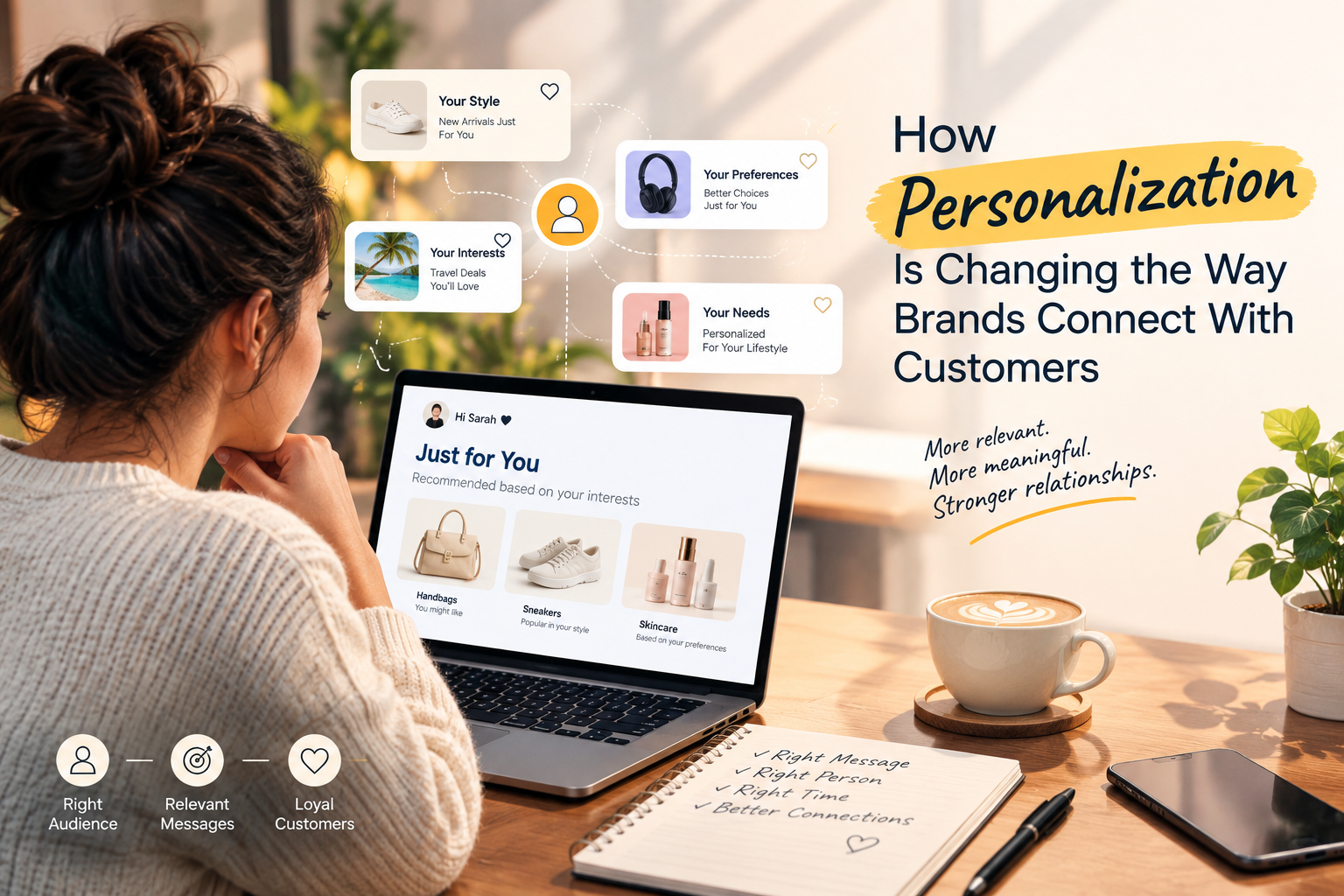
The relationship between brands and consumers has underwent a fundamental evolution. For decades, traditional marketing operated on a broadcast model: mass messages were pushed through linear media channels to broad, generalized demographics. Success was measured in reach and frequency, and the customer experience was static, passive, and uniform.
That framework is officially obsolete. Consumers no longer view brand communications as acceptable interruptions; they expect seamless, tailored interactions that adapt to their specific needs in real time. Personalization has shifted from an innovative differentiator into table stakes for customer engagement. Research continuously demonstrates that over 70% of modern consumers expect personalized interactions from brands, and the vast majority experience immediate frustration when companies send generic, non-relevant content.
Today, personalization is no longer just about placing a first name in the subject line of an email. It represents an enterprise-wide strategy that reshapes how brands collect data, architect digital platforms, build emotional resonance, and earn long-term loyalty.
1. The Fundamental Shift: From One-to-Many to One-to-One
To understand the scope of this transformation, we must analyze the shift in how brands view their audience.
┌────────────────────────────────────────────────────────────────────────┐
│                   THE EVOLUTION OF BRAND CONNECTION                    │
├───────────────────┬────────────────────────────────────────────────────┤
│ Mass Marketing    │ • Broad demographic targeting (Age, Gender, Zip)   │
│ (Broadcasting)    │ • Static campaigns & one-size-fits-all copy        │
│                   │ • High waste, low emotional relevance              │
├───────────────────┼────────────────────────────────────────────────────┤
│ Segmented         │ • Audience grouping by basic behavioral rules      │
│ Marketing         │ • Rule-based drip sequences & static recommendations│
│                   │ • Periodic updates based on delayed data           │
├───────────────────┼────────────────────────────────────────────────────┤
│ Hyper-            │ • Individualized, real-time context-driven journeys│
│ Personalization   │ • Dynamic AI-driven catalog & content engines      │
│                   │ • Zero-party & First-party data orchestration      │
└───────────────────┴────────────────────────────────────────────────────┘
Historically, brands defined customer segments using broad demographic markers like “Women aged 25–34” or “Urban Professionals.” However, demographic markers fail to capture immediate intent, emotional state, lifestyle preferences, or current pain points. Two individuals who share the exact same demographic profile can have completely opposite buying motivations.
Hyper-personalization bypasses superficial demographics by focusing on behavioral intent and real-time context. Instead of asking “Who is this customer on paper?”, modern engines analyze:
- What specific problem are they trying to solve right now?
- What device, location, and channel are they using to engage?
- What is their historical relationship and lifetime value with our brand?
- What micro-signals (clicks, dwell time, cart additions, search queries) are they generating in this single session?
By shifting from broad broadcasting to individualized dialogue, brands reduce cognitive friction for the consumer. The user no longer needs to hunt through thousands of irrelevant products; the platform surfaces exact solutions at the precise moment of need.
2. Technological Enablers: How Real-Time Personalization Works
Delivering a hyper-tailored experience across millions of touchpoints simultaneously requires a robust technology ecosystem. Personalization is powered by a interconnected stack of data platforms and artificial intelligence.
       ┌──────────────────────────────────────────────────────────┐
       │                 DATA COLLECTION LAYER                    │
       │   Zero-Party Data (Quizzes) + First-Party Data (Behavior)│
       └────────────────────────────┬─────────────────────────────┘
                                    │
                                    ▼
       ┌──────────────────────────────────────────────────────────┐
       │             CUSTOMER DATA PLATFORM (CDP)                 │
       │       Unifies siloed touchpoints into a 360° profile      │
       └────────────────────────────┬─────────────────────────────┘
                                    │
                                    ▼
       ┌──────────────────────────────────────────────────────────┐
       │               PREDICTIVE & AGENTIC AI                    │
       │ Models intent, computes next-best-action, predicts churn │
       └────────────────────────────┬─────────────────────────────┘
                                    │
                                    ▼
       ┌──────────────────────────────────────────────────────────┐
       │                 OMNICHANNEL DELIVERY                     │
       │   Site Search • Mobile App • Dynamic Email • In-Store POS │
       └──────────────────────────────────────────────────────────┘
A. The Primacy of Zero-Party and First-Party Data
With the deprecation of third-party cookies and increasing privacy regulations globally (such as GDPR and CCPA), brands can no longer rely on cross-site tracking to target consumers. This shift has elevated the importance of First-Party Data (behavioral logs, order history, onsite searches) and Zero-Party Data (data explicitly and voluntarily shared by the consumer).
Leading brands collect zero-party data through interactive style quizzes, onboarding preference centers, and survey widgets. Consumers willingly share this information because they receive an immediate return on value: an experience curated specifically to their taste.
B. Customer Data Platforms (CDPs)
Historically, customer data was trapped in isolated corporate silos—web analytics lived in one system, email records in another, and point-of-sale (POS) transactional data in a third. CDPs unify these fragmented streams into a single, cohesive “360-degree customer view.” When a shopper browses an item on a mobile app, visits a physical retail store, and opens an email, the CDP updates their profile instantly, ensuring messaging remains synchronized across channels.
C. Predictive AI and Agentic Commerce
Personalization has evolved beyond static, rule-based logic (e.g., “If customer buys shoes, show socks”). Modern implementations use machine learning algorithms to perform predictive analysis.
AI models process vast streams of real-time signals to calculate a user’s intent, churn risk, and next-best-action. As retail moves toward agentic commerce—where AI agents assist or make purchases on behalf of users—brands must ensure their personalization infrastructure provides dynamic, verified inventory and intent alignment instantly.
3. Key Touchpoints Transformed by Personalization
When personalization is deployed effectively, it redefines every stage of the customer lifecycle.
1. Dynamic Onsite & In-App Discovery
The homepage of a top-tier e-commerce brand is no longer a static digital billboard; it is an individualized storefront. Two visitors landing on the exact same URL at the exact same second see completely different layouts:
- First-Time Visitors: See brand positioning stories, bestseller categories, and welcome incentives.
- Returning VIP Buyers: See tailored recommendations based on past purchases, restock alerts for fast-moving items, and personalized loyalty point balances.
Search engines inside platforms now re-rank search results dynamically based on a user’s historic price sensitivity, preferred brands, and sizing preferences.
2. Contextual Email and SMS Communications
Generic batch-and-blast newsletter blasts are seeing plummeting open rates. In their place, dynamic lifecycle messaging generates significantly higher engagement and transaction conversion. Triggered automation messaging—such as personalized cart abandonment recovery that includes the exact item viewed alongside tailored sizing charts—converts hesitation into confidence.
3. Unified Omnichannel Experience
Online and offline retail are no longer separate universes. Modern personalization connects digital history with brick-and-mortar touchpoints.
- A customer who saves items to a mobile wishlist can receive a location-based notification when walking near a retail store where those items are in stock.
- Store associates equipped with clienteling apps can view a customer’s online order history and preferences, offering informed recommendations in real time.
Companies that achieve true omnichannel consistency retain significantly more of their customer base compared to those with fragmented touchpoints.
4. The Business Impact: Loyalty, LTV, and Margins
Personalization is often misconstrued as purely a customer experience initiative, but its primary impact is seen directly on financial performance metrics.
                     ┌────────────────────────────────────────┐
                     │    FINANCIAL IMPACT OF PERSONALIZATION │
                     └───────────────────┬────────────────────┘
                                         │
       ┌──────────────────┬──────────────┴───────┬──────────────────┐
       ▼                  ▼                      ▼                  ▼
[ Higher Conversion ]  [ Increased AOV ]     [ Customer LTV ]  [ Churn Reduction ]
  • Reduced friction     • Cross-sells &       • Repeat orders    • Customers feel
    drives immediate       upsells hit at        grow through       valued & recognized
    checkout action.       ideal moments.        relevance.         long-term.
A. Protecting Against Price Competition
In highly competitive markets, brands without strong relationships are forced to compete on price, eroding profit margins. High-level personalization insulates brands from price-wars. When a platform continuously anticipates a user’s preferences, the customer perceives high switching costs. Leaving that brand means moving to a competitor where they must start over as an anonymous shopper, dealing with irrelevant suggestions and search friction.
B. Maximizing Customer Lifetime Value (LTV)
Acquiring new customers has become increasingly expensive due to rising media costs and privacy-driven ad tracking limitations. Business sustainability now relies on retention and lifetime value maximization.
By delivering tailored cross-sell recommendations, timely replenishment reminders, and tailored loyalty perks, personalized experiences directly lift repeat purchase frequency and average order values (AOV).
5. The Privacy-Personalization Paradox & Ethical Boundaries
While personalization yields immense business advantages, it introduces a delicate operational challenge known as the Privacy-Personalization Paradox: Consumers demand tailored experiences, but they deeply distrust how their personal data is collected, stored, and monetized.
                     ┌────────────────────────────────────────┐
                     │    THE PRIVACY-PERSONALIZATION BALANCE │
                     └───────────────────┬────────────────────┘
                                         │
                   ┌─────────────────────┴─────────────────────┐
                   ▼                                           ▼
      [ Delightful Personalization ]               [ Intrusive "Creepy" Tactics ]
     • Relevant product suggestions               • Unsolicited cross-device tracking
     • Remembering explicit preferences           • Mentioning offline conversations
     • Transparent value exchanges                • Hidden data broker purchases
Crossing the Line: The “Creepy” Factor
Personalization fails when it moves from helpful to intrusive. When a customer receives an ad that references sensitive data they never consciously shared with the brand, trust drops instantly. The goal of personalization is to make the experience feel effortless and thoughtful, not monitored or invasive.
Building Ethical Trust
To navigate this boundary successfully, modern brands follow three core tenets:
- Value Exchange Transparency: Clearly explain why data is being requested and demonstrate the benefit (e.g., “Share your skin type so we can filter out incompatible ingredients”).
- First-Party Reliance: Shift away from shadowy data-broker lists toward transparent, direct-from-consumer data collection.
- Data Security Governance: Invest heavily in zero-trust data architectures to ensure customer records are protected from exposure.
6. Strategic Implementation Roadmap
For brands seeking to upgrade their personalization maturity, execution should follow a structured, phased implementation roadmap:
┌────────────────────────────────────────────────────────────────────────┐
│                   PERSONALIZATION MATURITY ROADMAP                     │
├─────────────────┬──────────────────────────────────────────────────────┤
│ Phase 1:        │ • Consolidate behavioral data across primary site/app│
│ Data Foundations│ • Establish explicit preference collection (Quizzes)│
│                 │ • Audit data cleanliness and security compliance     │
├─────────────────┼──────────────────────────────────────────────────────┤
│ Phase 2:        │ • Implement dynamic search re-ranking                │
│ Onsite Rules    │ • Deploy automated abandoned cart & browse triggers  │
│                 │ • Add behavior-triggered recommendation widgets      │
├─────────────────┼──────────────────────────────────────────────────────┤
│ Phase 3:        │ • Connect CDP across web, app, email, and POS systems│
│ Predictive AI   │ • Deploy machine-learning intent models              │
│                 │ • Launch dynamic, individualized loyalty flows       │
└─────────────────┴──────────────────────────────────────────────────────┘
- Step 1: Audit Your Customer Data Quality Before purchasing expensive AI marketing software, audit your existing data streams. Siloed, inaccurate, or outdated customer records will cause predictive AI models to serve broken or bizarre recommendations, alienating users.
- Step 2: Map the Highest-Friction Moments Identify where customers bounce or abandon their journey. Is it site search? The checkout flow? Post-purchase onboarding? Implement tailored solutions at these friction points first to secure rapid ROI.
- Step 3: Test and Iterate Iteratively Personalization strategies should never rely on guesswork. Run continuous A/B tests comparing tailored journeys against control baseline groups to measure conversion lift, average order value impact, and retention metrics.
Conclusion: The Future of Brand Connection
Personalization has redefined the underlying contract between businesses and consumers. It has elevated brand relationships from transactional exchanges into continuous, mutually beneficial conversations.
Brands that master ethical, data-driven personalization build enduring competitive moats. They earn customer loyalty not through aggressive advertising, but by consistently proving that they understand, respect, and value the individual behind the screen. As technologies like predictive AI and real-time data networks mature, the divide will continue to widen: companies delivering generic, one-size-fits-all experiences will be left behind, while those offering hyper-tailored, context-aware journeys will win the future of customer connection.
How would you like to build on this strategy?
Design a Zero-Party Data Quiz for E-commerce
Draft an Omnichannel Personalization Architecture
Develop a Privacy-First Personalization Framework